
Keeping your family safe from pests is about more than avoiding annoyance. Insects and nuisance wildlife can affect food storage, indoor air quality, property condition, and even the health of children and pets. Ants can spread through kitchens in a matter of days, termites can quietly damage structural wood, and wildlife in attics or crawl spaces can create contamination and safety concerns before you fully realize what is happening.
Many homeowners wait until they see a major problem before taking action, but pest issues are usually easier, cheaper, and safer to manage when handled early. A few ants near the sink, scratching sounds in the attic, or small gaps around exterior entry points may seem minor at first. In reality, those signs often point to a larger issue developing behind walls, under floors, or around the outside of the home.
Inspect the Whole Home Before a Small Problem Spreads
The best pest prevention plan starts with a careful inspection. Many infestations build quietly in spaces people rarely check, such as attics, garages, crawl spaces, basements, under sinks, and behind stored items. If you only react to what is visible in the kitchen or bathroom, you may miss the real source of the problem.
A full-home review helps you find the conditions that allow pests to thrive. That includes moisture, food residue, nesting spots, clutter, and unnoticed entry points. It is also a good time to look for droppings, gnaw marks, sawdust-like debris, damaged food packaging, and unusual odors.
Some homeowners schedule pest control visits before obvious infestations appear, especially in climates where insects and wildlife pressure tend to be seasonal and predictable. A proactive approach often reduces the chance of a larger outbreak and makes treatment more targeted.
During your inspection, pay close attention to:
- Under-sink cabinets and plumbing penetrations
- Pantry shelves and pet feeding areas
- Window frames, door sweeps, and garage edges
- Attic vents, rooflines, and crawl space openings
- Moisture-prone areas near laundry rooms and bathrooms
- Firewood, leaf piles, and stored items near the home
The point of the inspection is not just to find pests. It is to identify why they would want to stay.
Remove the Food, Water, and Shelter That Attract Infestations

Pests settle in where survival is easy. If your home offers water, food crumbs, standing moisture, clutter, and undisturbed hiding spots, it becomes much more attractive than a cleaner, drier, better-maintained property. Prevention starts with making the environment less useful to them.
This is where pest control services often provide real value. Homeowners tend to notice obvious messes, but professionals often identify less visible attractants, like condensation under appliances, pet food left overnight, leaky hose bibs, or cardboard storage in damp areas.
A few simple household habits can make a major difference:
- Wipe counters and sweep floors daily, especially around eating areas
- Store dry goods in sealed containers
- Empty trash regularly and keep lids tight
- Fix dripping faucets and slow leaks
- Avoid leaving pet food and water out longer than needed
- Reduce clutter in storage rooms, garages, and basements
Dryness matters as much as cleanliness. Roaches, ants, and many other pests are drawn to reliable moisture. If you reduce access to water sources, you often make the home less appealing even before treatment begins.
Seal Gaps and Openings Before Pests Use Them as Highways
Even the cleanest home can have a pest problem if insects or wildlife can get inside easily. Small gaps around pipes, worn weather stripping, torn screens, loose vents, and cracks along foundations can all provide access. Many infestations continue not because treatment failed, but because entry points were never addressed.
Local exterminators can be especially helpful in spotting the less obvious openings around roof edges, siding joints, utility penetrations, and crawl space vents. They often see patterns that homeowners miss, especially in older homes or properties with previous repairs.
Start by checking:
- Door thresholds and garage door seals
- Window screens and frame gaps
- Utility lines entering the home
- Exterior vents and chimney openings
- Foundation cracks and siding transitions
- Roofline gaps near soffits and fascia
Use caulk, mesh covers, weather stripping, and repair materials where appropriate. The goal is not to trap pests inside, but to stop new ones from getting in. Exclusion is one of the most effective long-term pest control strategies because it reduces the need for repeated treatment.
Take Ant Activity Seriously Early On
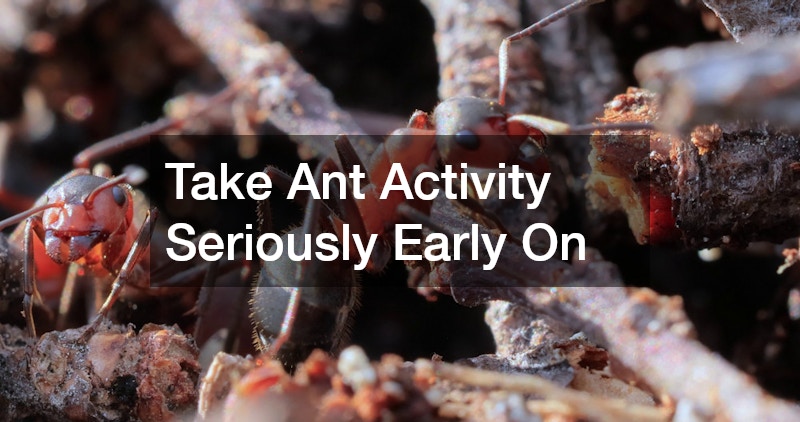
Ant problems often look minor right up until they are not. A few visible ants in the kitchen may represent a much larger colony exploiting food, water, or small entry gaps nearby. Spraying the ants you see may kill a few workers, but it usually does not solve the underlying issue.
Ant extermination is often the right step when you are seeing repeat activity, multiple trails, or ants appearing in more than one room. The real key is identifying the source, the species, and the condition that is drawing them in. Some ants are primarily after sweets, while others are drawn to grease, moisture, or decaying wood.
To reduce the chance of recurring ant problems:
- Clean spills quickly, especially sugary liquids
- Store fruit, snacks, and baking goods securely
- Keep sinks and counters dry overnight
- Seal cracks near windows, baseboards, and plumbing
- Trim vegetation that touches the house
- Avoid relying only on surface sprays
If treatment is needed, keep children and pets away from active baiting or application areas until it is safe to return. Ant problems are usually much easier to stop at the first signs than after the colony has expanded.
Protect Your Home From Hidden Structural Damage
Some of the most expensive pest problems happen out of sight. Wood-destroying insects can remain hidden for long periods while weakening framing, trim, subfloors, and other structural components. By the time visible evidence appears, repairs may already be extensive.
That is why termite control services matter so much, especially in regions where termite risk is high or where homes have persistent moisture issues. Termites are attracted to damp, accessible wood and often enter through soil contact points, cracks, and concealed gaps around the foundation.
Warning signs can include:
- Mud tubes along foundation walls
- Hollow-sounding wood
- Bubbling paint or warped trim
- Discarded wings near windows or doors
- Small piles of frass or damaged wood surfaces
Termite prevention is not only about treatment. It also involves improving drainage, reducing soil-to-wood contact, fixing leaks, and keeping mulch or debris from building up too close to the home. Early inspection and fast action can save a family from major repair costs later.
Treat Wildlife Problems Differently From Insect Problems
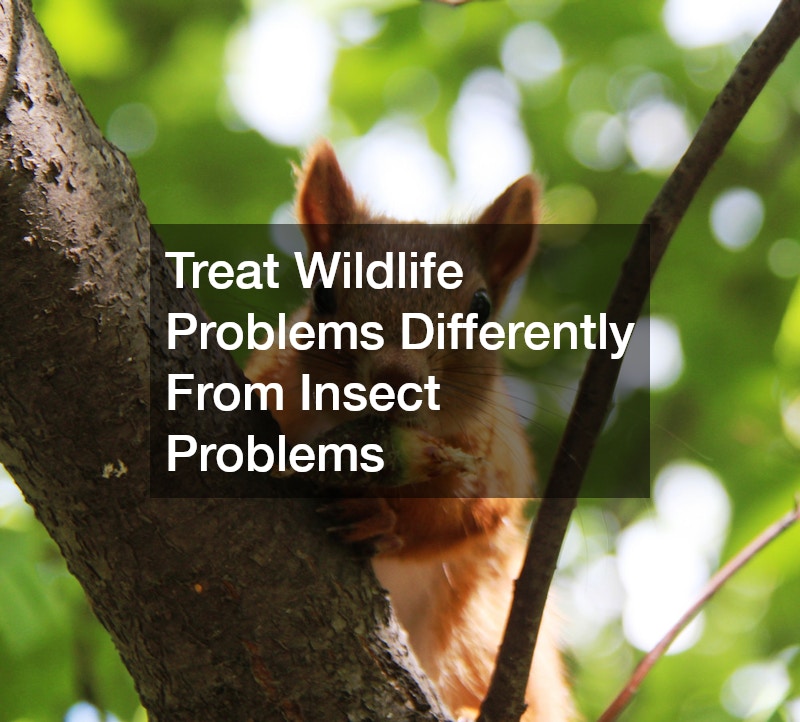
Wildlife issues require a different mindset from ordinary household insects. A raccoon in the attic, squirrels in the soffits, or animals nesting under a deck can create property damage, contamination, and direct safety concerns. These situations are rarely solved by standard sprays or traps bought at a store.
Wildlife control focuses on safe removal, exclusion, cleanup, and prevention of re-entry. It often involves understanding nesting behavior, seasonal activity, and how animals are accessing the structure in the first place. Without fixing the entry route, the problem often comes right back.
In more serious cases, animal removal may be necessary when wildlife is trapped in living areas, damaging insulation, chewing wires, or leaving droppings in spaces connected to the home. Families should be especially cautious around wild animals that appear disoriented, aggressive, or unusually comfortable around people.
Avoid trying to corner or handle wildlife yourself. Instead:
- Keep children and pets away from the area
- Do not block exits if babies may be present
- Avoid direct contact with droppings or nesting material
- Document noises, locations, and timing of activity
- Get professional help to remove and exclude properly
Wildlife problems are often as much about cleanup and sealing as they are about the initial removal.
Handle Bat Intrusions With Extra Caution
Bats create a unique kind of pest concern because they often enter high, concealed spaces and may go unnoticed until odors, droppings, or direct indoor sightings occur. A single bat in a room may seem like a one-time event, but it can also point to a colony roosting in the attic or wall voids.
Bat removal should be handled carefully and professionally because exclusion methods must be timed and installed correctly. Simply sealing openings at the wrong moment can trap animals inside or create a larger mess. There are also health concerns tied to guano accumulation and possible human or pet exposure in enclosed spaces.
If you find a bat inside:
- Close off the room if possible
- Keep people and pets away
- Do not swat, chase, or handle it bare-handed
- Note whether anyone was sleeping in the room
- Contact a qualified wildlife control specialist promptly
After removal, the home should be evaluated for entry points, contamination, and cleanup needs. The real fix is not just getting the bat out. It is preventing the next one from coming in.
Protect Pets as Carefully as You Protect People

Pets are often the forgotten part of pest planning, even though they are especially vulnerable to bites, stings, contaminated surfaces, and accidental exposure to treatments. Dogs and cats investigate corners, sniff baited areas, and may interact directly with wildlife or insects before a person notices the risk.
A local vet clinic can be an important part of your response plan if your pet has had contact with a pest, eaten something questionable during treatment, or starts showing symptoms after exposure. In more sudden situations, such as swelling, breathing trouble, poisoning concerns, or possible bites from wildlife, an urgent care veterinarian may be the better fit.
To keep pest management safer for pets:
- Tell providers what animals live in the home
- Ask where treatments will be placed and how long areas must stay off-limits
- Move food bowls, bedding, and toys before service
- Watch pets closely after treatment or wildlife incidents
- Keep vaccination records current if wildlife exposure is possible
The safest pest plan is one designed with the whole household in mind, including the animals who share the space.
Choose Professional Help Based on the Real Risk
Not every pest issue requires the same kind of service. A seasonal ant problem, suspected termites, and wildlife in the attic each call for different tools and expertise. One reason homeowners get frustrated is that they hire the wrong type of help and end up treating symptoms instead of the full problem.
Pest control services are often best for recurring household insects, preventive treatments, and full-property monitoring. Local exterminators may be a good choice when you need someone familiar with regional pest patterns and common home vulnerabilities. Wildlife specialists are usually the better option for raccoons, squirrels, bats, and similar issues involving exclusion and removal.
When comparing professionals, ask:
- What pests they specialize in
- Whether inspection is included
- What safety steps they use around children and pets
- Whether follow-up visits are part of the plan
Good service should solve the immediate issue and explain how to prevent the next one. That combination matters more than a quick spray-and-go visit.
Build a Seasonal Prevention Routine for the Whole Household
The homes that stay pest-resistant year after year usually have one thing in common: routine. Families who inspect regularly, seal openings, clean consistently, and respond quickly to warning signs tend to deal with fewer major infestations than those who only act in emergencies.
A seasonal routine does not need to be complicated. It just needs to be consistent. Spring may call for checking foundations, window screens, and signs of ant activity. Summer might focus on moisture control and yard maintenance. Fall is a good time to inspect attic and roofline access points before wildlife looks for shelter. Winter is ideal for reviewing storage areas and hidden moisture sources indoors.
A practical prevention routine can include:
- Monthly checks under sinks and in pantry corners
- Seasonal trimming away from the home
- Quick repair of leaks and water damage
- Regular trash and food-storage habits
- Annual inspection for hidden pest risks
When everyone in the household understands the basics, early warning signs are less likely to be ignored.
Protecting your family from common pests is really about staying ahead of the conditions that let them settle in. Cleanliness, moisture control, sealed entry points, and fast response all make a difference, but so does knowing when a situation has moved beyond a simple do-it-yourself fix.
