
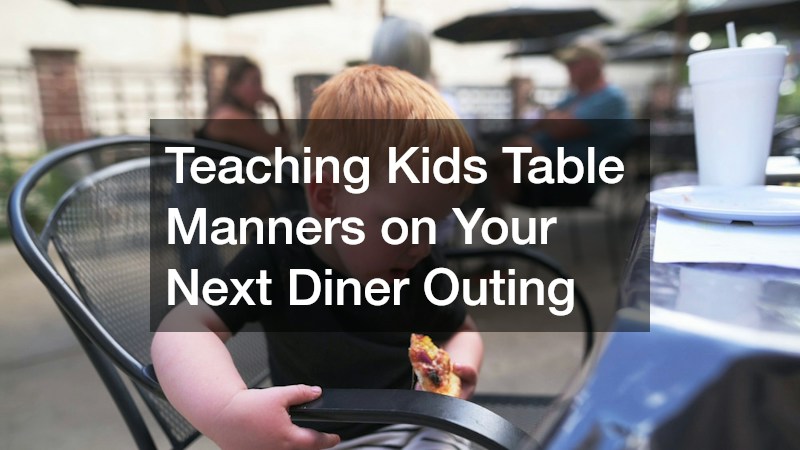
A family meal out should be relaxing, not a battle over elbows on the table or food thrown across the booth. Kids learn manners best through practice, and a casual outing gives them a low-pressure place to try out what they’re learning. With a little preparation and patience, you can turn any meal away from home into a hands-on lesson in respect and self-control. This guide walks you through practical steps to make your next family meal smoother for everyone at the table, including the servers and other guests nearby.
Set Clear Expectations Before You Leave the House
Kids do best when they know what’s coming, so talk through your expectations before you even get in the car. Explain in simple terms what behavior you expect, such as using an inside voice, staying seated, and saying please and thank you to the server. Keep the list short — two or three rules is plenty for younger kids, since piling on too many instructions at once tends to make them forget all of them. Try turning it into a quick game by asking your child to repeat the rules back to you, or role-play a mini restaurant scene at home with stuffed animals as diners. This kind of rehearsal makes the expectations feel familiar rather than like a lecture. For younger kids, pairing each rule with a simple reason helps it stick, like “we use quiet voices so other people can enjoy their meal too.” It also helps to mention what will happen if the rules aren’t followed, so there are no surprises later. A calm heads-up like “if we can’t stay seated, we’ll need to take a break outside” sets a clear, predictable consequence. This short conversation primes their brain to remember the rules once you’re actually seated and distracted by menus and drinks.
Keep the conversation positive rather than a list of warnings. Frame it as “here’s how we act like big kids at a restaurant” instead of “don’t do this and don’t do that.” Before you even buckle your seatbelts, run through two or three simple rules together, like using inside voices, saying “please” and “thank you” to the server, and staying seated unless they need to use the restroom. Keeping the list short matters — young kids can usually only hold onto a handful of expectations at once, so pick the ones that matter most for that particular outing. Try turning it into a quick game on the drive over. Ask, “What’s one thing a big kid does at a restaurant?” and let them answer before you add your own suggestions. This gets them thinking about good behavior as something they’re choosing to do, not a rule being imposed on them. It also helps to mention what they can look forward to, like ordering their own meal or picking dessert, so the outing feels like a reward for good behavior rather than a test they might fail.
- Ask your child to repeat back one or two rules in their own words, like “stay in my seat” or “use my inside voice”
- Mention a small reward for good behavior, like picking dessert or choosing the next family activity
- Remind them that other families are also trying to enjoy their meal, so loud noises or running around isn’t fair to them
- Keep the list short, three to four rules is plenty for young children — too many rules at once gets overwhelming and forgotten
- Practice the rules with a quick role-play at home, like sitting still for one minute or saying “please pass the ketchup”
- Explain what happens if a rule is broken, such as a warning first, then a short break outside before returning to the table
Practice Basic Skills at Home First
The dinner table at home is the best training ground for skills you want your child to use in public. Practicing napkin use, fork and spoon handling, and chewing with a closed mouth in a relaxed setting means they won’t be learning these skills for the first time under pressure. Repetition at home builds muscle memory that carries over naturally when you’re out.
Role-playing can also help, especially for younger kids who respond well to pretend play. Set up a mock restaurant scenario where you take turns being the customer and the server, practicing polite requests and thank-yous.
- Practice saying “please may I have” instead of demanding items
- Work on sitting through an entire meal without leaving the table
- Teach them to wait until everyone is served before eating
- Show them how to signal they need something without shouting
Choose a Family-Friendly Spot for Early Attempts
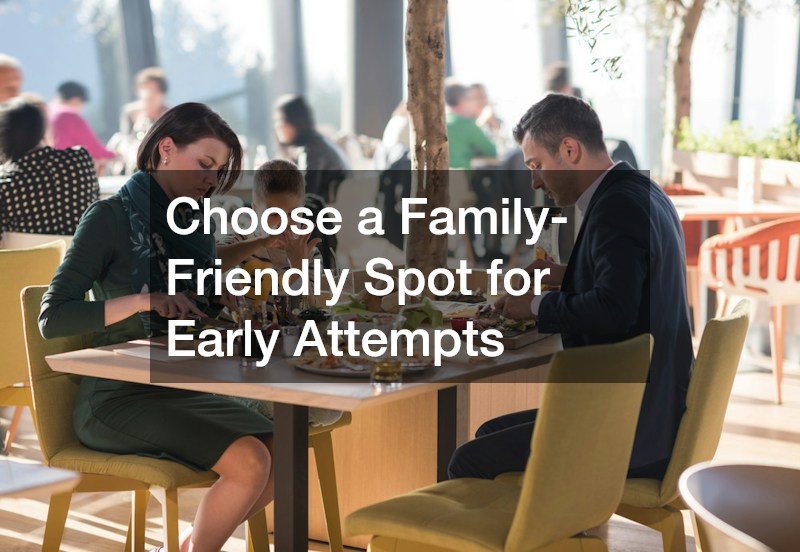
Not every meal out needs to be a formal test of etiquette. A busy, casual diner is often the perfect place to practice new manners because the atmosphere is relaxed, the noise level is forgiving, and the staff are usually accustomed to families with young children. Starting in a lower-stakes environment takes pressure off both you and your child while they build confidence.
Look for spots with quick service and simple menus so kids aren’t asked to sit still for an hour waiting on food. A shorter wait time means fewer opportunities for restlessness to turn into disruptive behavior.
- Pick booths over high chairs at a table when possible for easier movement control
- Choose off-peak hours to reduce crowd noise and long waits
- Look for kid-friendly menus that simplify ordering decisions
- Ask for crayons or activity sheets if the location offers them
Guide Their Behavior During the Meal
Once you’re seated, gentle in-the-moment coaching works better than harsh correction. Quiet reminders, a light touch on the arm, or a private word instead of a public scolding help your child adjust without feeling embarrassed in front of others. Consistency in how you respond to slips keeps the lesson clear without turning the outing into a lecture.
Give kids small jobs during the meal to keep them engaged in a positive way, such as passing napkins or deciding what to order for the table. Involvement reduces boredom, which is often the root cause of fidgeting or acting out.
- Praise specific good behavior right when it happens
- Redirect instead of scolding when something goes wrong
- Keep phones and tablets away so attention stays on the table
- Model the same manners you’re asking them to follow
Handle Slip-Ups With Patience and Consistency
Even well-prepared kids will have off days, and that’s a normal part of learning. Staying calm when a fork gets dropped or a voice gets too loud teaches your child that mistakes are recoverable rather than something to fear. A brief, calm correction followed by a quick return to the meal keeps the outing from spiraling into a bigger conflict.
If things get truly out of hand, it’s okay to step outside for a moment to reset before returning to the table. This short break can defuse frustration on both sides without making a scene.
- Avoid negotiating new rules in the middle of a meltdown
- Keep consequences simple and decided on ahead of time
- Praise the recovery, not just the initial good behavior
- Debrief briefly after the meal about what went well
Teaching table manners is less about a single perfect outing and more about steady, patient practice over many meals. Each trip, whether smooth or a little bumpy, adds to your child’s growing sense of how to behave respectfully in public. Start small, celebrate progress, and choose your next outing as another chance to build these lifelong habits together.
