

Turning a backyard into a space you actually use in every season takes more than a grill and a few lawn chairs. Many homeowners invest in a patio or deck only to find it sits empty for half the year because it was never designed with comfort, function, or climate in mind. The good news is that with the right planning, your outdoor area can become a true extension of your home, one that hosts holiday dinners, summer pool parties, and quiet fall evenings alike. This guide walks through the key decisions that turn an underused yard into a year-round entertainment destination.
Assessing Your Space and Setting a Vision
Before any construction begins, take time to walk your property and think honestly about how your family actually spends time outside. Consider sun exposure throughout the day, existing drainage patterns, and how noise or privacy from neighbors might affect gatherings. Many homeowners find it helpful to consult a professional in landscape design at this stage, since they can identify grading issues or sightline problems that are hard to spot on your own. A clear vision now saves you from costly redesigns later.
- Track sunlight and shade patterns across different seasons
- Note where water pools after rain
- Identify which areas offer the most privacy
- Sketch a rough zone map for cooking, lounging, and play areas
Building the Foundation: Structure and Shelter

A year-round outdoor space needs some form of covered structure, whether it is a pergola, a full patio roof, an attached porch extension, or a gable-style structure with retractable louvers. Each option changes how much sun, rain, and snow load your space can handle, so the choice should match your climate as much as your design taste. This is where working with experienced roofers matters most, since a poorly built roof can lead to leaks, ice damming, or wind damage that shortens the lifespan of your investment.
Pay attention to the details that determine whether a roof performs well over time: proper flashing where the structure meets your house, adequate slope for drainage (typically at least a quarter-inch per foot), and materials rated for your regional wind and snow loads. In colder climates, ice damming is a real risk if insulation and ventilation aren’t planned correctly, while in hotter regions, reflective or vented roofing can make a huge difference in comfort.
A well-designed roofline also needs to tie visually and structurally into your existing home, which is a detail easy to overlook when planning independently. Matching rooflines, gutter systems, and siding transitions helps the addition look intentional rather than tacked on. It also protects your home’s resale value, since mismatched additions are one of the first things buyers and appraisers notice.
For larger projects involving grading, drainage systems, or retaining walls, many homeowners bring in civil contractors before the roof or patio surface ever goes in. These professionals handle the site preparation work that keeps water away from your foundation and ensures the ground beneath your new space is stable for years to come. Their scope typically includes soil testing, calculating proper slope for runoff (usually a 2% grade away from structures), and installing French drains or catch basins where standing water tends to collect.
Retaining walls deserve special attention if your yard has more than a foot or two of elevation change. A wall over four feet tall often requires engineered plans and permits in most municipalities, since the soil pressure behind it can be substantial. Civil contractors can also advise on whether you need a permeable base layer, like compacted gravel, to prevent future settling.
Skipping this step is one of the most common reasons outdoor additions develop cracks or shifting within a few seasons. Patching a cracked patio slab or releveling a paver walkway after the fact almost always costs more than getting the groundwork right from the start.
- Choose roofing materials rated for your regional climate — metal panels for heavy snow loads, UV-resistant polycarbonate for sun exposure, or pergola slats with retractable canopies for mixed conditions
- Plan for proper gutter and drainage integration, sizing gutters to handle your area’s peak rainfall rates rather than a generic standard
- Confirm grading slopes water away from the house, aiming for a 2% slope (about a quarter-inch drop per foot) over the first 10 feet
- Ask about permits required for structural additions, since most municipalities require them for anything with a permanent roof, footings, or electrical wiring
- Check local frost-line depth requirements if you’re pouring footings, as this determines how deep posts must be set
- Consider snow load and wind uplift ratings for any roofed structure, especially in regions prone to storms or heavy winter accumulation
Improving the Connection Between Indoors and Out
One of the most overlooked upgrades for year-round entertaining is the windows and doors that link your interior living space to the patio. Old, drafty, or poorly sealed windows can make it uncomfortable to keep doors open on mild days, limiting how often you actually use the outdoor area. Many homeowners find that upgrading through replacement window services makes a noticeable difference in both energy efficiency and how naturally guests move between spaces during a party.
Beyond comfort, updated windows can also improve sightlines, letting you keep an eye on kids or guests outside while prepping food in the kitchen. Larger glass doors or bay-style windows near the patio create a sense of continuity between rooms, making the whole home feel more open. This is a relatively simple update that pays off in both function and curb appeal.
Designing a Centerpiece Water Feature
A pool or water feature often becomes the visual and social anchor of an outdoor space, drawing guests together no matter the occasion. Working with experienced custom pool builders allows you to design something that fits your specific yard shape, climate, and entertaining style, rather than settling for a generic layout. Features like heated spas, tanning ledges, or integrated fire bowls can extend usability well beyond the traditional summer swimming season.
If a full pool is not in the budget, smaller water features like fountains or reflecting pools can still add ambiance without the same maintenance demands. These elements provide soothing background noise that masks street sounds and creates a more relaxed atmosphere for gatherings. Either option should be planned early since plumbing and electrical work often need to happen before other landscaping is finished.
- Decide between saltwater and traditional chlorine systems
- Consider heating options for extended seasonal use
- Plan lighting for nighttime swimming and ambiance
- Budget for ongoing maintenance and equipment costs
Choosing Furniture That Works in Every Season
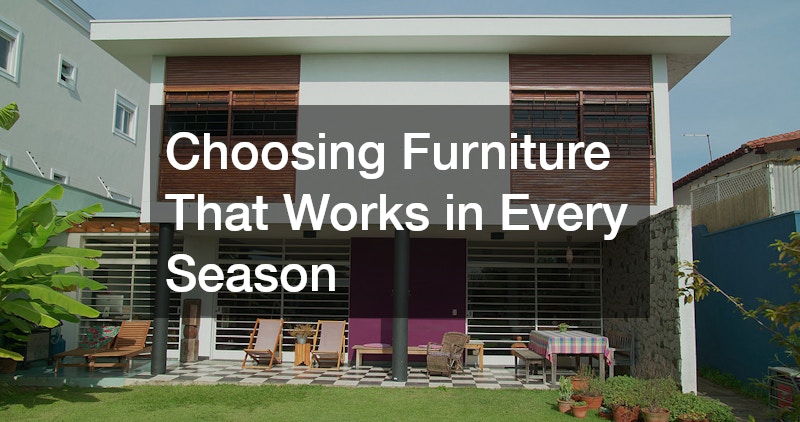
Comfortable, durable seating is what actually gets people to linger outside rather than heading back indoors after twenty minutes. Quality outdoor furniture designed for your climate zone, whether that means UV-resistant fabrics for sunny regions or weatherproof frames for areas with heavy rain and snow, will hold up far longer than budget alternatives. Modular pieces are especially useful since they can be rearranged easily for different group sizes and occasions.
Layering in weather-appropriate accessories like deep cushions, outdoor rugs, and blankets for cooler evenings helps the space feel inviting in any season. Storage matters too, since having a place to tuck cushions away during storms extends their lifespan considerably. Think about traffic flow when arranging furniture so guests can move comfortably between seating, dining, and cooking areas.
- Look for frames rated for your specific climate
- Choose fabrics with fade and mildew resistance
- Add heaters or fire features for cooler months
- Store cushions properly during off seasons
Custom Storage and Outdoor Kitchen Features
An outdoor kitchen or bar area only works well if it has enough storage to keep things organized and protected from the elements. Custom cabinetry built specifically for outdoor use, using marine-grade polymer, teak, or powder-coated stainless steel, holds up far better than standard indoor cabinets repurposed for patio use. These materials resist warping, rust, and fading even after years of exposure to sun, rain, and humidity, which makes them a worthwhile investment compared to budget alternatives that break down within a season or two.
Beyond durability, the layout of your storage matters just as much as the materials. Drawers sized for grill tools, pull-out trash and recycling bins, and dedicated cubbies for propane tanks or charcoal keep the workspace functional rather than cluttered. Adding a few lockable cabinets is also a smart move if you store glassware, small electronics, or anything you’d rather keep secure between gatherings.
This kind of built-in storage also keeps grilling tools, dishware, and linens close at hand without cluttering your entertaining space. Many homeowners also incorporate insulated cabinets near refrigeration units to prevent condensation buildup, along with vented compartments for propane or charcoal storage to keep everything safe and easily accessible during meal prep.
Beyond function, well-designed cabinetry can tie the outdoor kitchen’s look into your home’s existing style, creating a cohesive feel between indoor and outdoor living areas. Matching materials—like a stone veneer that echoes your home’s exterior or cabinet finishes that complement your interior kitchen—help the outdoor space feel like a natural extension of the house rather than a separate structure.
Consider counter height, drawer placement, and appliance spacing carefully, since these details determine how efficiently you can host and cook for larger groups. A standard counter height of 36 inches works well for food prep, while a raised bar section at 42 inches is better suited for seating and serving guests. Drawers, rather than cabinet doors, are generally easier to access when your hands are full, and grouping them near the grill keeps utensils, tools, and grilling accessories within arm’s reach.
Weatherproof materials matter just as much as layout. Stainless steel, marine-grade polymer, and powder-coated aluminum all resist rust, warping, and UV damage far better than standard indoor cabinetry, which makes them worth the investment in climates with heavy rain, humidity, or freeze-thaw cycles. Leaving a few inches of clearance around built-in appliances also allows for proper ventilation and easier repairs down the line.
A thoughtful layout here often becomes the difference between a space that feels like an afterthought and one that feels intentional. Simple additions—like a dedicated trash and recycling pullout, a small refrigerated drawer for drinks, or built-in lighting under counters—can make the space significantly more functional for entertaining after dark or during long gatherings.
Bringing Great Food Into the Mix

No entertainment space is complete without a plan for feeding guests well, and outdoor kitchens open the door to menus beyond the usual burgers and hot dogs. A wood-fired pizza oven or built-in stovetop can bring the flavors of fine Italian cuisine right into your backyard gatherings, letting guests enjoy fresh pasta, grilled vegetables, or homemade flatbreads without leaving the party. This kind of variety keeps outdoor entertaining feeling special rather than routine.
Planning your kitchen layout around the type of cooking you actually enjoy matters more than chasing trends. If you regularly host large groups, prioritize surface space and multiple heat sources so several dishes can be prepared at once. Smaller households might prioritize a compact but efficient setup that still allows for creative, restaurant-quality meals at home.
Adding Personal Style and Comfort Touches
The small details are often what make an outdoor space feel like an extension of your family rather than a generic patio. Some homeowners lean into a relaxed, rustic theme with western apparel inspired decor like woven textiles, leather accents, and warm earth tones scattered through cushions, throw blankets, and rugs. Think saddle-brown leather poufs paired with turquoise or rust-colored pillows, or a bandana-print table runner that ties the whole look together without feeling like a costume party.
This western-inspired approach works especially well for families who love bonfire nights, string lights, and a bit of country music playing in the background. Adding a few vintage lanterns or a reclaimed wood coffee table can round out the theme without requiring a full remodel.
Others prefer a more playful approach, using custom tees printed with family names, event logos, or inside jokes as fun keepsakes for guests during birthday parties or holiday get togethers. A simple design, ordered in bulk from a local print shop, can turn any backyard gathering into a memorable occasion for under a few dollars per shirt. Some families even rotate designs seasonally, so summer barbecues get one look and winter holiday parties get another, giving the space a fresh feel year after year.
These personal touches do not need to be expensive to make an impact, and they often become the details guests remember most. Items like patterned outdoor pillows, a set of lanterns, or a collection of potted herbs can each be added for $20 to $50 without straining a budget, yet they instantly signal that the space was designed with care.
A themed evening, whether it leans rustic, tropical, or festive, gives structure to your entertaining and makes repeat gatherings feel fresh. A rustic night might mean mason jar drinkware and a plaid table runner, while a tropical theme calls for citronella tiki torches and a fruit-forward drink menu. Rotating through two or three themes across a season keeps guests curious about what’s next, rather than expecting the same setup every visit.
Small, thoughtful additions like these help your outdoor space reflect your family’s personality rather than looking like a showroom display. Consider layering in personal touches such as framed photos on a side table, a chalkboard drink menu, or a blanket basket for cooler nights. The goal is a space that feels lived-in and welcoming, not staged for a catalog shoot.
Planning for Long Term Upkeep
A beautiful outdoor living space only stays enjoyable if it is maintained properly through changing weather conditions. Seasonal tasks like sealing wood surfaces, checking irrigation lines, and inspecting structural elements for wear should be built into your yearly calendar rather than handled reactively. Setting reminders for these tasks helps prevent small issues from becoming expensive repairs down the road.
- Inspect roofing and gutters before winter weather arrives
- Reseal or restain wood decking annually
- Check pool equipment and plumbing each spring
- Rotate or store furniture cushions based on season
Designing an outdoor living space for year-round entertainment is a gradual process that rewards careful planning over quick fixes. By thinking through structure, comfort, food, and personal style together, you create a space your family and friends will genuinely want to use in every season. Start with the elements that matter most to your household, whether that is a pool, a kitchen, or simply better furniture, and build outward from there. The result will be a backyard that feels less like a project and more like a true part of your home.
