
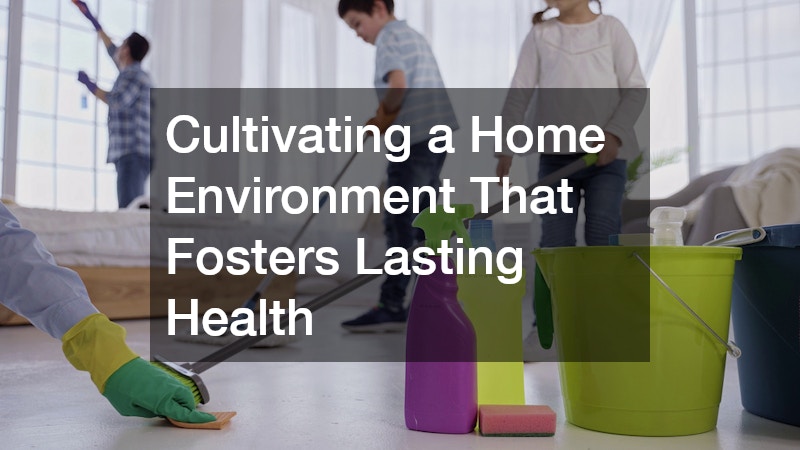
Our homes are meant to be our sanctuaries—the one place where we feel safest and most protected from the outside world. However, the reality of modern living means that our indoor environments can often become breeding grounds for bacteria, allergens, and viruses if we are not vigilant. While the world focuses heavily on hand sanitizer and public hygiene, the most significant impact on your long-term health often comes from the invisible variables within your four walls. True health isn’t just about what you eat or how much you exercise; it is about the air you breathe, the water you touch, and the surfaces where you rest your head at night.
Fending off illness requires a multi-layered approach. It involves a shift from reactive cleaning—scrubbing only when a stain appears—to proactive maintenance. By understanding the biology of your home, you can create an environment that actively supports your immune system rather than taxing it. In this comprehensive guide, we will explore the deep-seated habits and professional care routines that transform a house into a fortress of wellness. From the mechanical systems that circulate your air to the granular details of your daily hygiene, every choice you make contributes to the vitality of your household.
Optimizing Air Quality and Respiratory Health

A major contributor to indoor air pollution is the buildup of fine particulates in hidden areas. For example, the laundry system is often a forgotten source of airborne irritants. Engaging a professional for dryer vent cleaning is a vital task that goes beyond fire safety. When a vent is clogged with lint, it creates a damp, warm environment that is perfect for mold. This moisture can seep into the laundry room air, raising the overall humidity of the house and encouraging the growth of dust mites and mildew. By ensuring the exhaust path is clear, you allow your home to “exhale” moisture and fine fibers efficiently, keeping the air crisper and easier on the lungs.
Similarly, the central climate control system must be treated as a medical device for the home. Professional HVAC services are essential for more than just fixing a broken air conditioner. These services include the cleaning of the internal coils, the checking of the drain pans, and the calibration of the filtration system. When an HVAC system is dirty, it essentially “sneezes” dust and microbial growth into every room whenever it cycles. Regular maintenance ensures that the air is being stripped of pollutants rather than enriched with them. High-quality filters combined with a clean mechanical system can reduce the incidence of asthma attacks, seasonal allergies, and even the spread of airborne viruses.
- Vacuum with HEPA technology: Standard vacuums often exhaust fine dust back into the air. A HEPA filter ensures that what goes into the vacuum stays in the vacuum.
- Monitor Indoor Humidity: Use a hygrometer to keep humidity between 30% and 50%. High humidity leads to mold; low humidity dries out mucous membranes, making you more susceptible to colds.
- Natural Ventilation: When the outdoor air quality is good, open windows for at least 15 minutes a day to flush out stale indoor air and VOCs.
Revitalizing Soft Surfaces and Sleep Sanctuaries
The bed is often the most densely populated area of the home in terms of microscopic life. Dust mites thrive on the skin cells we shed every night. For individuals with allergies or sensitive respiratory systems, a standard vacuuming of the bedroom is insufficient. This is where a professional mattress cleaning company can make a significant difference. High-heat steam cleaning and specialized UV-C light treatments can penetrate deep into the mattress layers to neutralize dust mites and bacteria that regular sheets and mattress protectors cannot fully isolate. A sanitized mattress leads to deeper, more restorative sleep, which allows the immune system to produce the cytokines needed to fight off infections.
Furthermore, the flooring in your home acts as a giant filter for the air. Gravity eventually pulls all airborne particles down to the ground. If you have area rugs, they are likely holding onto months of pollen, street dust, and pet dander. Using a professional rug cleaning service is an investment in the air quality of your home. Professional cleaners use immersion washing or specialized extraction methods that reach the base of the fibers, removing the abrasive grit and biological load that household vacuums leave behind. This is particularly important for households with young children who spend much of their time playing directly on the floor.
- Wash Bedding Weekly: Use hot water (at least 130°F) to kill dust mites and dissolve body oils.
- The No-Shoes Policy: Implementing a strict “no shoes” rule in the house can reduce the amount of bacteria and toxins on your floors by up to 85%.
- Upholstery Care: Don’t forget the sofa. Use a fabric sanitizer or steam cleaner on high-use furniture to prevent the buildup of germs from multiple family members.
Water Safety and Hydration Hygiene
For those who enjoy a dip in the backyard, the pool can be a source of great health or great risk. Proper pool cleaning is not just about aesthetics; it is about preventing the spread of recreational water illnesses. This involves more than just skimming leaves; it requires the regular brushing of walls to prevent algae biofilms and the consistent monitoring of chlorine and pH levels. Without these habits, the pool becomes a reservoir for bacteria like E. coli. A well-maintained pool provides a safe environment for exercise and stress relief, both of which are essential for maintaining a robust immune system.
Inside the home, the focus should be on the quality of the water flowing through your pipes. Many municipal water supplies contain chlorine, chloramines, and heavy metals like lead or copper. Implementing advanced water treatments, such as whole-home filtration or UV sterilization, ensures that your family isn’t ingesting or absorbing these substances. Filtered water is gentler on the skin and hair, reducing the need for harsh soaps that can strip the skin of its natural defenses. Furthermore, drinking high-quality, toxin-free water encourages proper hydration, which is vital for the lymphatic system to flush out waste products from the body.
- Sanitize the Kitchen Sink: The sink drain often has more bacteria than a toilet seat. Use a vinegar and baking soda flush weekly.
- Clean Water Pitchers: If you use a filtered pitcher, wash the reservoir with soap and water every time you change the filter to prevent algae growth.
- Check for Standing Water: Ensure that trays under house plants or refrigerators are dry, as these are prime locations for mold and insect breeding.
Personal Health Maintenance and Professional Care
The skin is the body’s largest organ and its first line of defense against the outside world. When the skin barrier is compromised by dryness, harsh chemicals, or lack of hygiene, pathogens can easily enter the bloodstream. Developing a science-based skincare routine is essential for maintaining this barrier. This doesn’t mean a complicated 10-step process, but rather the consistent use of gentle cleansers and moisturizers that support the skin’s microbiome. Protecting the skin from environmental damage ensures that it can effectively block out the bacteria we encounter in our daily lives.
Equally important is the health of the mouth. Oral health is a window into overall health; gum disease has been linked to heart disease, diabetes, and respiratory infections. Regular visits to a family dentistry practice are a non-negotiable part of fending off illness. Professional cleanings remove the hardened plaque (tartar) that harbors bacteria, which can cause chronic inflammation throughout the body. By keeping the oral microbiome in check, you reduce the overall “germ load” that your immune system has to deal with daily, leaving it better equipped to handle external viruses like the flu or the common cold.
- Hand Hygiene: The most basic yet effective habit. Wash hands for 20 seconds after coming home, using the bathroom, or before eating.
- Disinfect Personal Electronics: Our phones and keyboards are hotbeds for bacteria. Wipe them down daily with an alcohol-based cleaner.
- Individual Hygiene Items: Never share towels, razors, or toothbrushes, even within the same family, to prevent the “ping-pong” spread of infections.
Specialized Care for Vulnerable Household Members
Children, in particular, require a dedicated approach to wellness. Their immune systems are still developing, and they are more likely to put their hands in their mouths after touching various surfaces. Regular consultations with a pediatrician are vital for tracking development and ensuring that vaccinations are up to date. A doctor can also provide guidance on managing household allergens if a child shows signs of respiratory distress. Beyond medical advice, parents should focus on creating a “clean play zone” where toys are sanitized weekly and the air is kept exceptionally pure to prevent the onset of childhood asthma.
For the elderly or those with compromised systems, temperature regulation is a matter of survival. Cold stress can weaken the heart and make the body more susceptible to pneumonia. During the winter months, ensuring that the furnace is in top condition is paramount. If the system fails during a cold snap, it can lead to immediate health crises. Promptly addressing heating repairs isn’t just about comfort; it is a critical safety measure. A well-heated home allows the body to focus its energy on immune defense rather than trying to maintain its core temperature. This proactive approach to mechanical maintenance can prevent the hospitalizations that often follow a breakdown in home infrastructure.
- Sanitize High-Touch Toys: Use a child-safe disinfectant or a mixture of vinegar and water on hard plastic toys.
- Monitor Room Temperature: Use smart thermostats to ensure that the home stays at a consistent, healthy temperature throughout the night.
- Establish an Illness Protocol: When one family member gets sick, designate a “recovery room” to isolate the germs and prevent a household-wide outbreak.
The Daily and Weekly Rhythm of a Healthy Home
A daily “touch-point sweep” is one of the most effective ways to break the chain of infection. This involves spending five minutes each evening disinfecting the items that everyone touches: doorknobs, light switches, the refrigerator handle, and the remote control. These surfaces are often the primary transit points for viruses. If you can neutralize them daily, you significantly reduce the chance of a virus jumping from one family member to another.
Weekly, the focus should shift to the areas that facilitate cleaning. This includes the kitchen sponges, the dishcloths, and the vacuum canisters. If you clean with dirty tools, you are simply spreading the problem. Microwaving a damp sponge for one minute or running dishcloths through a hot laundry cycle can kill 99% of the bacteria residing in them. Additionally, the entryway or “mudroom” should be organized to act as a decontamination zone. By providing a place for shoes, bags, and coats right at the door, you prevent the pesticides, heavy metals, and fecal matter from the street from ever entering your living spaces.
- Monday: Sanitize all handles and switches.
- Wednesday: Deep-clean the kitchen sink and sponges.
- Friday: Dust all horizontal surfaces with a damp cloth to trap particles.
- Sunday: Wash all bedding and bath towels in hot water.
The Psychological Impact of a Clean Home

A clean, organized home promotes a sense of calm and control. This psychological state allows for better sleep, better digestion, and a more resilient mind. The act of cleaning itself can be a form of mindfulness. By taking care of your environment, you are practicing a form of self-respect and family care. The peace of mind that comes from knowing your air is filtered, your water is pure, and your surfaces are sanitized allows you to focus on the things that truly matter—spending quality time with your loved ones and pursuing your passions.
Ultimately, fending off illness is about creating a lifestyle of awareness. It is about noticing the slight change in the air quality, the faint smell of mold, or the dry patches on your skin, and taking action before they become larger problems. It is about building relationships with professionals—from the HVAC technician to the dentist—who help you maintain the high standards that a healthy life requires.
Our homes remain the one variable we can largely control. We may not be able to control the germs in the subway or the allergens in the park, but we can ensure that when we step through our front door, we are entering a space that is optimized for our well-being. This guide has laid out the roadmap, but the journey is yours to take. By implementing these habits one by one, you can transform your home into the ultimate shield against illness, fostering a legacy of health for everyone who resides within its walls.
