

Preventive health starts right in the home. Establishing consistent routines around daily habits helps set a standard of physical resilience that protects children and adults alike.
Prioritizing Nutritious Meal Planning
Providing your family with whole, nutrient-dense foods is one of the most effective ways to support long-term vitality. Center daily meals around lean proteins, fiber-rich whole grains, healthy fats, and a dynamic variety of colorful fruits and vegetables. Reducing processed foods and added sugars helps prevent energy crashes and stabilizes mood, especially in developing children. Preparing meals together as a family also creates an engaging opportunity to teach children about nutrition, portion sizes, and cooking techniques that will serve them well into adulthood.
-
Incorporate diverse plant sources to support microbiome diversity and gut health.
-
Involve children in grocery selection to build early healthy decision-making habits.
-
Limit sugar-sweetened beverages in favor of pure water and herbal infusions.
Encouraging Active Lifestyles Together
Physical activity should feel like an enjoyable, natural part of the day rather than a chore. Encourage daily movement by engaging in activities that every member of the household can participate in, such as evening walks, bike rides, weekend hikes, or games in the backyard. Regular physical movement improves cardiovascular endurance, strengthens bones and muscles, enhances sleep quality, and helps lower stress levels. Setting aside time each day for collective exercise builds a shared culture of movement and health.
Establishing Healthy Sleep Routines
Sleep plays a critical role in cellular repair, immune function, and cognitive development. Creating a calming pre-bedtime environment helps both adults and children wind down effectively. Establish fixed sleep schedules, even on weekends, to support the natural circadian rhythm of every family member. Keep bedrooms cool and dark, and implement a screen-free boundary at least one hour before bed to prevent artificial light from interfering with natural sleep cycles.
-
Set consistent sleep and wake schedules across all seven days of the week.
-
Create a dedicated screen-free wind-down hour to stimulate natural melatonin production.
-
Maintain cool, dark, and quiet bedroom spaces optimized for restorative rest.
Navigating Healthcare Access and Financial Protection

Securing the right financial mechanisms for medical care ensures that your family can obtain high-quality treatment whenever health challenges arise, without incurring overwhelming financial strain.
Navigating Coverage Options for All Ages
Securing appropriate health insurance plans is essential for ensuring that every member of your household has continuous access to preventative screenings, prescription coverage, and emergency care. Take time during open enrollment periods to evaluate your family’s dynamic medical needs, including anticipated specialist visits or ongoing therapies. Selecting a plan with a clear network of accessible providers and predictable out-of-pocket maximums provides essential peace of mind.
Supporting Aging Family Members
As multi-generational households become more common, managing healthcare coverage for older adults requires special attention. Enrolling eligible family members in medicare insurance provides comprehensive access to essential services, including inpatient care, outpatient procedures, and preventive consultations. Understanding how primary coverage blends with supplemental policies allows families to coordinate care seamlessly and avoid unexpected medical bills during major health transitions.
-
Review annual benefit updates to ensure all specialized medications remain covered.
-
Coordinate primary policies with secondary supplemental plans to minimize copays.
-
Maintain updated digital copies of all coverage documents for rapid emergency access.
Maintaining Routine and Specialized Vision Care
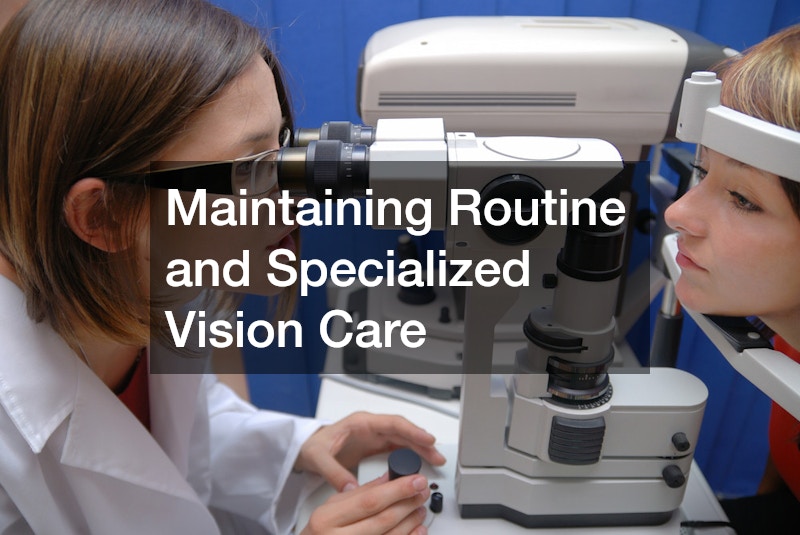
Comprehensive health management includes paying close attention to sensory organs. Early detection of structural or functional changes in vision can prevent long-term complications.
Scheduling Regular Eye Examinations
Maintaining optimal visual clarity and eye health requires regular diagnostic evaluations by a licensed optometrist. Comprehensive eye exams do more than evaluate vision sharpness; they allow specialists to examine the interior structures of the eye to detect systemic conditions like diabetes, hypertension, and elevated intraocular pressure. For school-aged children, early visual corrections can prevent developmental delays, improve classroom performance, and reduce persistent headaches caused by eye strain.
Protecting Eyes in the Digital Age
With children and parents spending extended hours in front of digital devices, computer vision strain has become a widespread household concern. Encourage the twenty-twenty-twenty rule: every twenty minutes, look at an object twenty feet away for twenty seconds. Ensure proper lighting in study and work areas to eliminate glare, and encourage the use of protective eyewear during high-risk physical activities or sports to safeguard long-term visual health.
-
Position computer display monitors at least arm-length away from direct viewing angles.
-
Adjust ambient room lighting to eliminate harsh reflections on screen glass surfaces.
-
Schedule screen-free breaks during recreational hours to give eye muscles complete rest.
Comprehensive Oral Health and Dental Hygiene
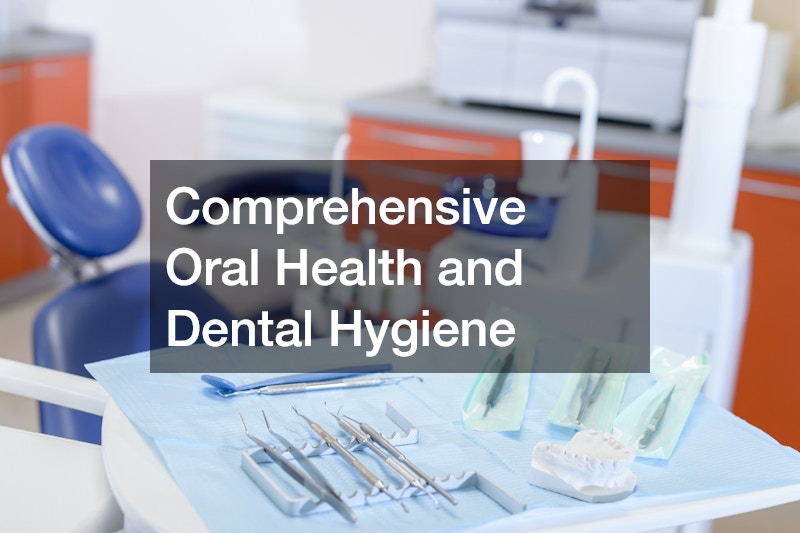
Oral health directly impacts overall physical wellness. Systematic oral hygiene prevents localized decay and reduces the risk of systemic inflammation throughout the body.
Establishing Consistent Home Care Habits
Daily brushing with fluoride toothpaste and thorough flossing are non-negotiable foundations for oral hygiene. Children should learn proper brushing techniques early, using soft-bristled brushes for two full minutes twice per day. Parents should monitor young children to ensure all tooth surfaces are cleaned effectively. Maintaining low-sugar diets and avoiding sugary beverages between meals further protects tooth enamel from erosion and structural damage.
-
Replace toothbrushes or electric brush heads every three to four months.
-
Use gentle circular brushing motions along the gum line to preserve delicate tissue.
-
Clean interdental spaces daily using waxed floss or specialized interdental tools.
Partnering with General Dental Specialists
Establishing a reliable primary clinic with skilled family dentists ensures that every household member receives routine cleanings, periodic diagnostic X-rays, and early intervention for cavities or misalignment. Regular checkups allow clinicians to catch early signs of gum disease, monitor structural jaw development in children, and provide customized preventive treatments like sealants and fluoride applications.
Enhancing Smiles Safely through Professional Treatments
Beyond routine maintenance, many individuals seek specialized care to correct structural defects, discoloration, or alignment issues. Consulting certified cosmetic dentists allows family members to explore safe, evidence-based aesthetic procedures such as whitening, composite bonding, or corrective veneers. Choosing experienced practitioners guarantees that cosmetic improvements prioritize underlying structural health and long-term tooth integrity.
-
Consult qualified specialists before undertaking any home whitening regimens.
-
Prioritize underlying structural and enamel health over cosmetic alignment goals.
-
Maintain routine cleanings to preserve the longevity of aesthetic dental work.
Supporting Musculoskeletal Health and Mobility

Physical mobility empowers family members of all ages to remain active, independent, and free from debilitating discomfort. Address joint, muscle, and bone issues early to protect lifelong movement.
Managing Lower Extremity Discomfort
Persistent foot pain can severely limit daily physical activity and lead to compensatory posture issues that affect the knees, hips, and lower back. Discomfort can stem from improperly fitted footwear, structural flat feet, plantar fasciitis, or repetitive stress injuries. Investing in supportive, properly sized shoes, utilizing corrective orthotics when necessary, and practicing gentle stretching routines can restore natural gait mechanics and resolve persistent discomfort before it becomes chronic.
Utilizing Specialized Musculoskeletal Care Centers
When acute injuries, joint degeneration, or complex structural problems arise, seeking evaluation at reputable orthopedic clinics provides access to advanced diagnostics and targeted treatment plans. These specialized centers offer comprehensive care ranging from physical therapy and non-invasive brace fitting to advanced surgical repair. Early intervention by structural specialists helps protect joint longevity and accelerates recovery from sports or work-related injuries.
-
Seek immediate professional evaluations following joint trauma or non-healing sprains.
-
Complete all prescribed physical therapy regimens to rebuild foundational strength.
-
Utilize specialized joint bracing during physical activities when advised by clinical teams.
Pursuing Non-Surgical Pain Management Approaches
For persistent spinal discomfort, nerve irritation, or soft tissue pain that does not require surgical intervention, modern physical medicine offers targeted relief. The ongoing demand for specialists filling interventional physiatry jobs highlights a growing healthcare focus on non-surgical, image-guided pain therapies. These medical professionals use advanced procedures, such as epidural injections and nerve blocks, to reduce inflammation and restore functional movement, enabling patients to participate fully in physical rehabilitation.
-
Explore image-guided non-surgical interventions for persistent soft tissue inflammation.
-
Combine targeted medical pain therapies with structured movement rehabilitation.
-
Discuss long-term physical therapy goals to minimize reliance on systemic medications.
Tailored Healthcare Solutions for Women and Mothers
Women often carry a multi-faceted role in managing family schedules while managing distinct biological shifts throughout their lives. Prioritizing targeted medical care ensures long-term reproductive and systemic health.
Prioritizing Preventive Reproductive Screenings
Regular gynecological care is a critical component of lifelong wellness for girls, women, and mothers. Routine clinical examinations, cervical cancer screenings, and clinical breast evaluations allow for early detection and intervention of potential health concerns. Establishing open lines of communication with a trusted specialist encourages proactive discussions regarding hormonal health, family planning options, and preventive screenings tailored to age and personal history.
-
Schedule comprehensive annual preventive visits regardless of current symptoms.
-
Maintain accurate personal logs of cycle regularity and notable hormonal changes.
-
Discuss age-appropriate screenings, such as mammograms and bone density scans.
Supporting Maternal and Postpartum Wellness
Maternal wellness directly influences the overall health of the entire family structure. During pregnancy, prenatal care monitors fetal development and maternal blood pressure, blood glucose, and nutritional status. After childbirth, ongoing clinical follow-ups and comprehensive mental health support help new mothers navigate hormonal shifts, recovery, and the demands of caring for an infant.
Fostering Mental Health, Emotional Stability, and Open Communication
Physical health cannot be separated from psychological and emotional well-being. A truly healthy family provides a safe environment where emotional expression and mental health care are actively supported.
Building Emotional Intelligence and Open Dialogue
Encourage transparent conversation within the home where every member feels heard and validated. Host regular family check-ins to discuss daily stresses, academic challenges, or work pressures. Teaching children how to label their emotions, express frustrations constructively, and practice conflict-resolution strategies helps build psychological resilience that protects against anxiety and behavioral struggles.
-
Hold weekly family meetings to air concerns and celebrate shared achievements.
-
Validate children’s emotional experiences without rushing to offer instant fixes.
-
Model calm conflict resolution techniques during moments of household tension.
Normalizing Professional Mental Health Support
Mental health challenges such as anxiety, depression, or stress overload can affect anyone regardless of age. Normalize seeking professional guidance when emotional or behavioral difficulties persist. Utilizing family therapy, individual counseling, or peer support groups can equip family members with practical coping tools, strengthen interpersonal bonds, and restore stability during challenging life transitions.
Practicing Mindful Stress Management Techniques
Incorporate collective stress-reduction practices into daily life. Techniques such as deep breathing exercises, progressive muscle relaxation, or quiet reading periods help regulate the nervous system after busy days. Setting reasonable limits on extracurricular schedules and work commitments prevents burnout, preserving quality time for genuine rest, connection, and restorative leisure.
-
Dedicate fifteen minutes each afternoon to collective silent relaxation or reading.
-
Limit weekly extracurricular commitments to avoid overwhelming domestic schedules.
-
Practice simple box-breathing exercises together during moments of acute stress.
Environmental Safety and Emergency Preparedness in the Home
A safe home environment protects your family from preventable accidents and prepares everyone to respond effectively during sudden medical situations.
Childproofing and Hazard Reduction
Perform periodic safety audits of your home environment. Ensure toxic cleaning chemicals, medications, and sharp instruments are securely locked away out of children’s reach. Secure heavy furniture, televisions, and bookshelves to walls to prevent tipping hazards. Check that smoke detectors, carbon monoxide alarms, and fire extinguishers are installed properly and tested regularly.
-
Inspect household smoke and carbon monoxide detectors on a monthly schedule.
-
Anchor tall furniture units securely to wall studs to prevent tipping injuries.
-
Store all household cleaners and pharmaceuticals in original locked containers.
Establishing Emergency Action Plans
Prepare your household for medical or environmental emergencies by creating a clear, rehearsed action plan. Keep a fully stocked first-aid kit in an accessible location and ensure emergency phone numbers are clearly posted. Encourage adult family members and teenage children to complete certified CPR and basic first-aid training, empowering everyone to act decisively during critical moments.
-
Rehearse household fire evacuation routes with all family members twice per year.
-
Maintain refreshed emergency first-aid supplies in central, known home locations.
-
Post emergency contact numbers clearly near primary home communications hubs.
Sustaining the long-term health of your family is a continuous journey built on consistent daily habits, proactive medical management, and emotional connection. By blending proper nutrition, routine physical activity, comprehensive insurance coverage, and specialized clinical care, you create a robust protective network for those you love most. Prioritizing preventive measures today guarantees a vibrant, resilient, and healthy foundation for your household for years to come.
