

Life with pets is full of joy, but it also comes with unpredictable moments that can test even the most prepared household. A sudden storm, a choking hazard, a bout of illness, or an unexpected escape can turn an ordinary day into a crisis within minutes. The good news is that most pet emergencies become far less overwhelming when you have a plan in place before you need it. This guide walks you through the practical steps to build a home that keeps your pets safe, healthy, and secure no matter what happens.
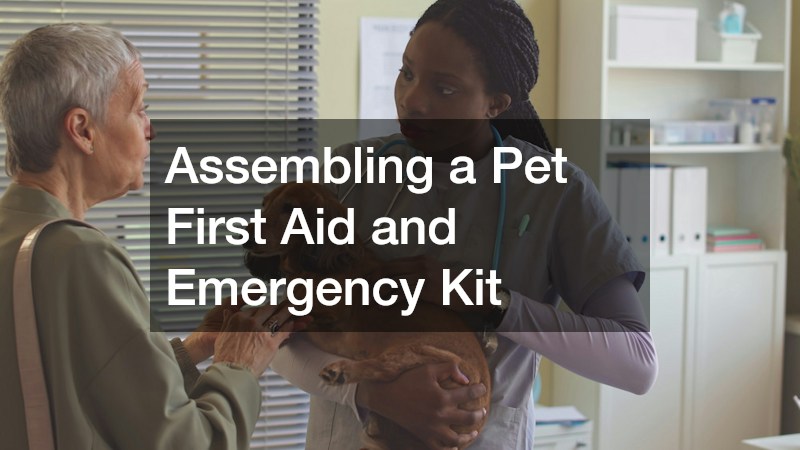
Assembling a Pet First Aid and Emergency Kit
Every pet friendly household needs a dedicated first aid kit that is separate from the human one, stocked with items sized and suited for animals. This kit should live somewhere easy to grab quickly, such as near the front door or in a hall closet, and every family member should know its location. Rotate supplies every six months to check expiration dates on medications and ointments, and replace anything that has been used.
Beyond bandages and antiseptic, your kit should include documentation that could save precious time in a real emergency. Keeping copies of vaccination records and medical history alongside the physical supplies means you are not scrambling to find paperwork while your pet is in distress.
- Gauze, adhesive tape, and non-stick bandages
- Digital thermometer and tweezers for splinter or tick removal
- Antihistamine approved by your veterinarian for allergic reactions
- Muzzle or soft cloth strip for safe handling of an injured, scared animal
- A printed list of emergency contact numbers, including poison control
Recognizing the Warning Signs That Require Immediate Care
Pets cannot tell you when something is wrong, so learning to spot subtle changes in behavior is one of the most valuable skills a pet owner can develop. Vomiting, lethargy, and loss of appetite lasting more than a day are common red flags, but some symptoms demand action within minutes rather than hours. Difficulty breathing, a bloated abdomen, seizures, or sudden collapse should never be treated as wait-and-see situations.
When symptoms escalate quickly, having a relationship with emergency vets before disaster strikes can make the difference between a smooth transition to care and a frantic scramble for help. Many veterinary clinics only operate during standard business hours, so knowing which emergency vets in your area offer overnight or weekend service means you will not waste critical time searching online while your pet suffers.
- Pale or blue-tinged gums, which may signal poor oxygen circulation
- Repeated vomiting or diarrhea lasting more than 24 hours
- Sudden inability to stand or walk normally
- Extreme swelling around the face, which can indicate a severe allergic reaction
- Ingestion of a toxic substance, even if no symptoms are visible yet
Pet Proofing Every Room Against Hidden Dangers
A pet friendly home starts with removing everyday hazards that seem harmless to humans but pose real risks to curious animals. Common household items like chocolate, certain plants, cleaning products, and small objects can cause choking or poisoning if left within reach. Walking through each room from your pet’s eye level often reveals dangers you would otherwise overlook, such as dangling cords or accessible trash bins.
Storage habits matter just as much as the items themselves, since a locked cabinet is far safer than a closed one that a determined paw can still open. Regularly reassessing your space as your pet grows or as new furniture and decor are introduced keeps your prevention efforts current rather than outdated.
- Store medications, chemicals, and toxic plants in latched cabinets
- Cover exposed electrical cords with protective sleeves
- Keep small toys, buttons, and batteries off floors and low tables
- Secure trash cans with locking lids
- Block access to areas under decks or in garages where antifreeze or rodent bait may sit
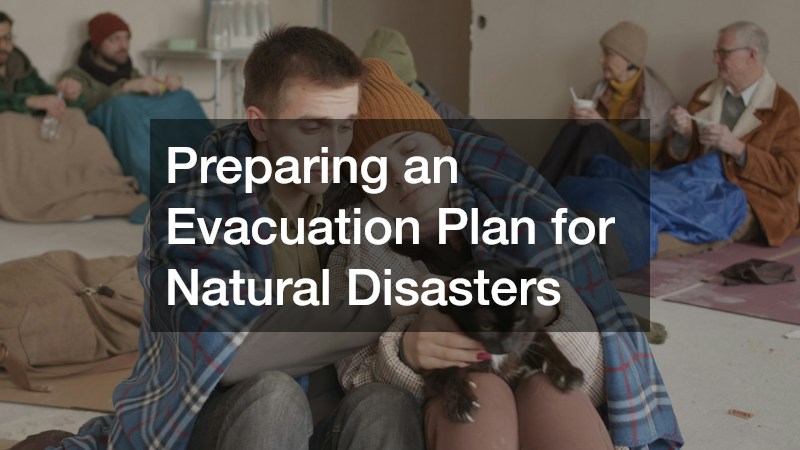
Preparing an Evacuation Plan for Natural Disasters
Wildfires, floods, hurricanes, and severe storms do not wait for convenient timing, and pets are often the most overlooked part of a family’s evacuation plan. Practicing a mock evacuation with carriers, leashes, and supplies already gathered helps everyone, including your pet, move quickly and calmly when a real event occurs. Choose a designated meeting spot and a backup destination, such as a pet-friendly hotel or a relative’s home outside the danger zone, well before you need it.
Identification is often the deciding factor in whether a separated pet is reunited with its family after a disaster. Microchipping combined with a visible collar tag gives rescuers and shelters two reliable ways to trace ownership even if paperwork is lost in the chaos.
- Pack a go-bag with food, water, medications, and a two-week supply if possible
- Include a recent photo of your pet in case you need to prove ownership or post for help
- Research shelters in advance, since many emergency shelters do not accept animals
- Keep a spare leash and harness in your car
- Update microchip registration information any time you move or change phone numbers
Establishing a Support Network for Ongoing Pet Care
No household can handle every situation alone, and building a small circle of trusted helpers takes pressure off you during stressful moments. A neighbor who can let your dog out during a work emergency, a pet sitter familiar with your cat’s routine, or a family member willing to step in during travel all add layers of security. Share care instructions and emergency contacts with these helpers so they can act confidently in your absence.
This network becomes especially valuable during medical situations that require quick decision-making. Having someone who already knows your pet’s temperament and history can speak up on your behalf and get your animal the attention it needs without unnecessary delay.
- Identify at least two backup caregivers who live nearby
- Share feeding schedules, allergies, and behavioral quirks in writing
- Introduce your pet to backup caregivers before an emergency, not during one
- Keep a shared digital document with vet information and care notes
- Set up a group chat or contact list for quick communication during a crisis
Building a pet friendly household that can handle any crisis is not about eliminating risk entirely, since accidents and emergencies will always be part of life with animals. It is about stacking small, deliberate steps that reduce panic and add precious time when it matters most. Start with one section of this guide today, whether that means assembling a first aid kit or researching local emergency care options, and build outward from there. Your future self, and your pet, will be grateful for the preparation.
